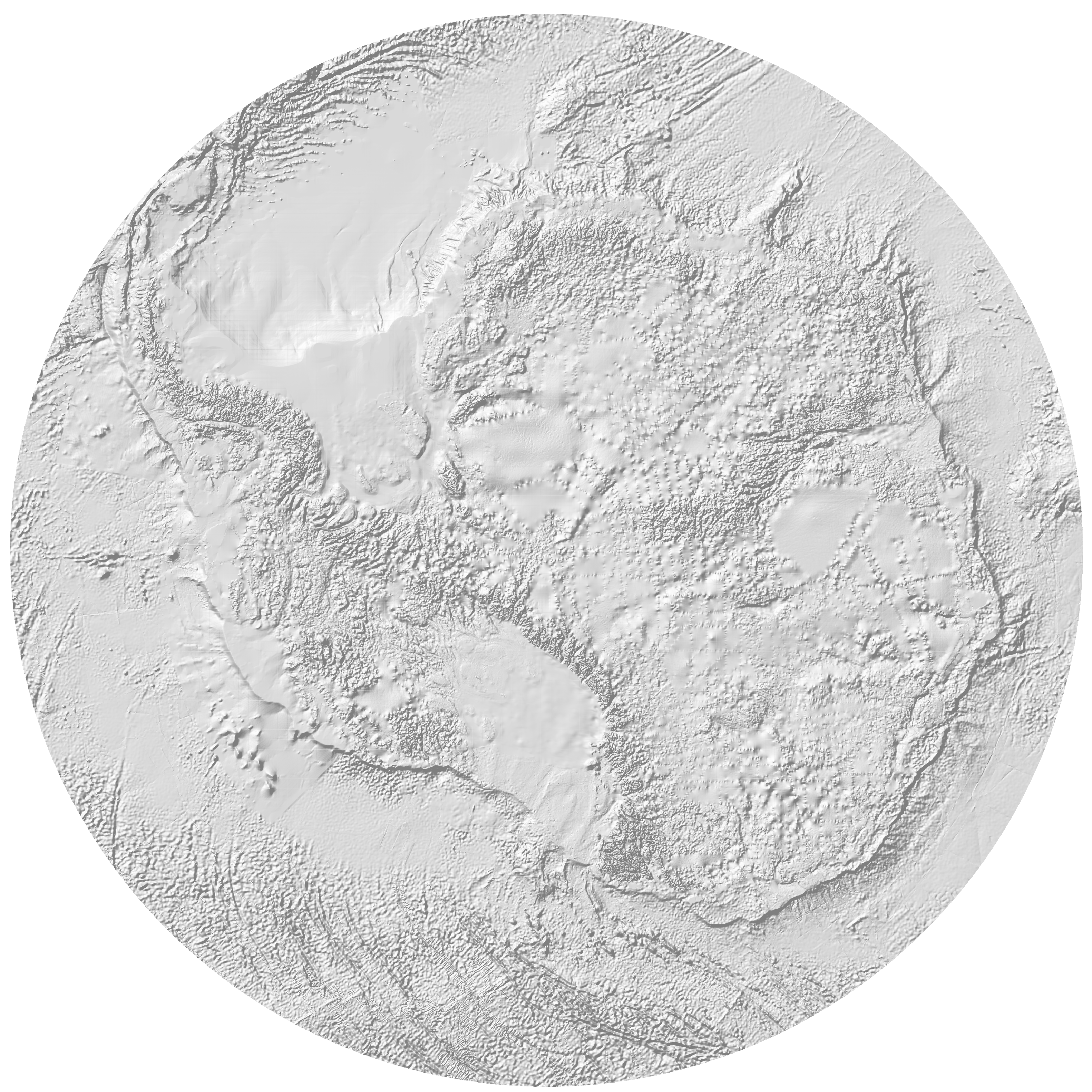
As a glaciologist, I study how ice forms2, flows3, and disappears4 using radar, satellites, computational models, and historical records.
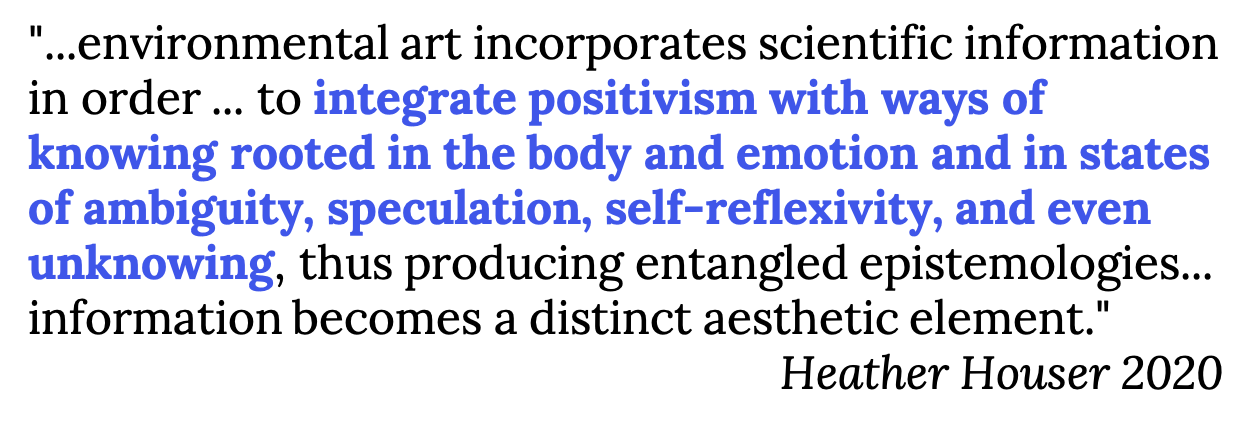
As an artist and writer, I am interested in how intra-action and diffraction—the reading and doing of disciplines through each other—prompts different lines of understanding, connection, or response than their doing alone.
I received my Ph.D. from Columbia University in 2024. A copy of my PhD thesis, Ice Formation, Deformation, and Disappearance, can be found here. I worked as a postodoctoral researcher at IMAU (Utrecht University) on Greenland surface processes from 2024-2026. I have worked on and with glaciers in Alaska, Wyoming, and Antarctic.
I now work as an independent researcher working across the natural sciences, arts, and humanities. Currently, I’m creating and processing an archive of the Juneau Icefield Research Program to improve 20th century glacier and climate reconstructions in SE Alaska.
I am actively seeking collaborations and funding for the following projects:
︎ the impact of Experiments in Art and Technology on scientific and engineering output (patents, journals, etc)
︎ Dutch art-science collaborations between 1960 and 1980
︎ Ūkichiro Nakaya’s relationship to art, writing, and film; translating his writing; his relationship to his daughter, the fog sculptor Fujiko Nakaya
︎ glaciers as boundary objects, as extinction-defying, as charismatic megafauna, as monument builders, as embodied memory
If you’re looking for an expert on glaciers, polar-related climate-crisis impacts, or scientific context for art related to ice, I am available for freelance work in Europe and the U.S. I have advised on glacier-related short films, reviewed books related to Antarctica, taught numerous classes and workshops on earth science and art-science, written essays for polar-related art exhibitions, and collaborated with artists for exhibitions and publications.
My CV was up-to-date once upon a time, and can be found here.
[1]: I am currently based in the Netherlands
[2]: From the moment a snowflake touches down on the surface of a glacier, it begins a process of transformation. Fresh snow, made up of single-grained snowflakes, is compacted into glacial ice by the weight of subsequent snowfall, and by sintering, grain boundary sliding, and diffusion . At first, snow grains accommodate the stress through mechanical failure and by changing their shapes and positions. Fragile, dendritic structures on the edges of snowflakes break off, and grains round into lower free energy configurations. Rounded grains slip into air pockets. As time passes, increasing overburden* pressure causes the grains to merge together, large grains absorbing small ones. As ice grains squeeze and grow into all the available pore space, grains trap air bubbles and cut them off from the atmosphere, preserving records of climate conditions.
*The term "overburden" implies too great of a load to bear, and it is, for a single snowflake. But it is precisely this stress that creates a glacier. Stress is a catalyst for transformation.
[3]: As and after ice forms, gravity pulls on the body of the glacier; ice flows under its own weight, becoming a viscous river that meanders from high elevations toward the sea level. Along the way, various other forces act on the ice. This stress history can be written into the ice in the orientation and configuration of its molecular structure.
[4]: Flowing toward sea level, ice either makes it to the ocean where it goes afloat and calves off icebergs into the sea, or reaches a lower elevation where the air is warmer, snowfall lower, and the glacial ice melts away.
Fragments of Knowing
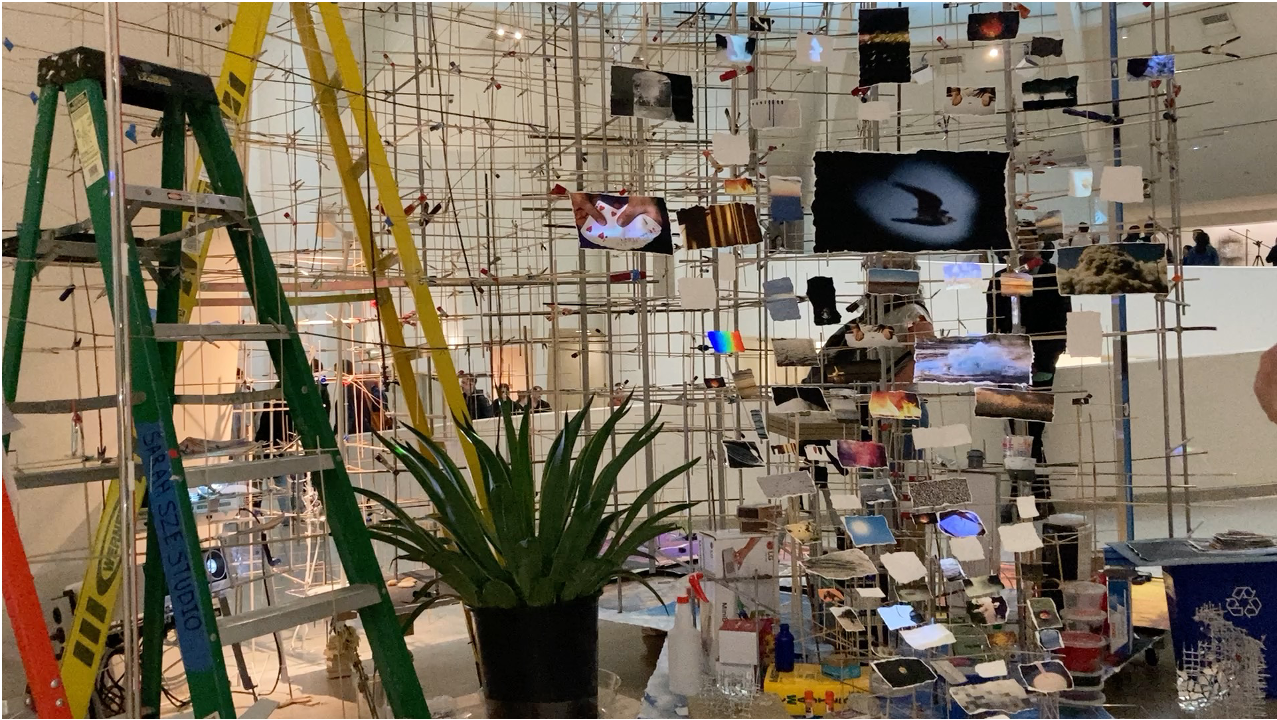
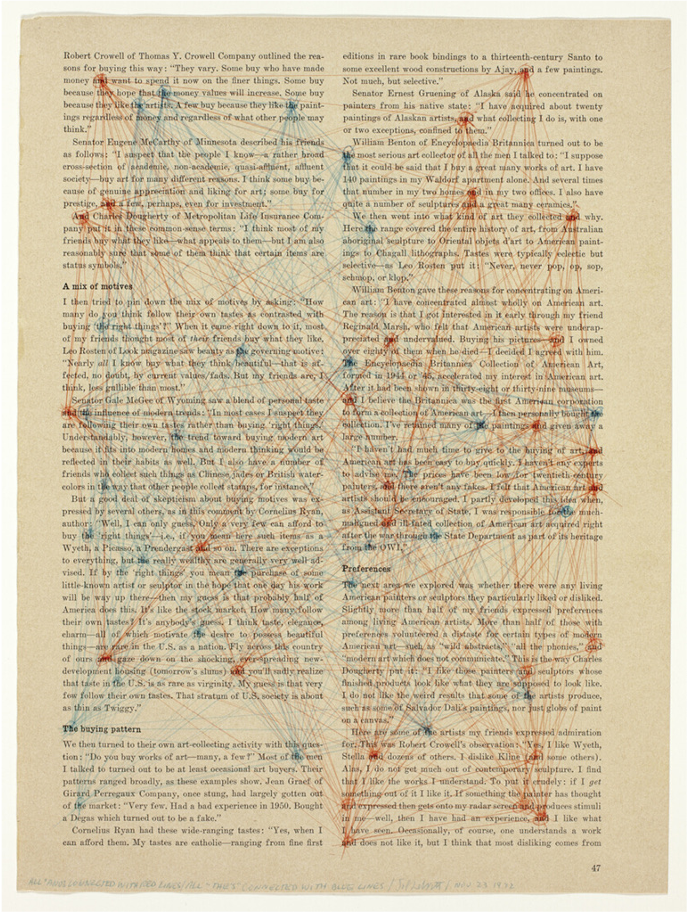
adapted from Katherine McKittrick, irregularly updated, these objects, references, readings, poems, images, and notes are temporaly situated, a way of remembering process, conveying how knowledge and learning are knotted and cyclical, what’s currently informing or inspiring my thinking, and/or what I am currently thinking about or making